
How Roofing Contractors Can Advise You on Choosing a New Roof
The evaluation of your property's existing structure is the foundational step in choosing a new system. Experienced contractors conduct thorough site inspections to identify underlying vulnerabilities like hidden water leaks, structural sagging, or severely deteriorating decking. Evaluating these factors helps determine whether a localized repair is sufficient or if a total tear-off is necessary. Working with a skilled commercial roofer ensures you address urgent vulnerabilities before minor leaks compromise your structural integrity, providing a clear, data-driven starting point for your investment.
Identifying Personal Design Preferences
Aesthetic preferences play a crucial role when selecting roofing materials and architectural profiles. A professional contractor presents options that align with your facility's design goals, balancing traditional styles with modern performance features. Choosing textures and colors that complement existing exterior walls significantly boosts overall curb appeal and property value. Experienced contractors leverage industry knowledge to help building owners select functional designs that satisfy both stylistic vision and daily operational demands.
Considering Climate and Environmental Impact
Local weather patterns heavily influence which materials offer the best return on investment over time. Contractors analyze regional precipitation levels, wind uplift risks, and temperature variations to recommend high-performance assemblies. For instance, facilities in areas prone to heavy rainfall require specialized waterproof membranes, whereas buildings exposed to intense heat benefit from highly reflective surfaces. Consulting a knowledgeable commercial roofer helps you select climate-resilient assemblies engineered to withstand local weather shifts while lowering thermal stress on your building.
Evaluating Budgets and Cost Efficiency
Balancing upfront capital expenditure with long-term performance is critical when replacing a facility's covering. Contractors work directly with property managers to create transparent cost breakdowns covering materials, labor, staging, and site safety. Presenting cost-effective material options helps owners make educated choices that maximize value without compromising structural safety. Furthermore, contractors can advise on phasing large-scale installation projects over multiple budget cycles to accommodate financial constraints without delaying urgent perimeter repairs.
Future-Proofing Your Roofing Investment
Future-proofing involves selecting adaptable systems designed to meet long-term facility needs and evolving building codes. Contractors anticipate technological advancements and environmental trends to recommend versatile solutions, such as reinforced decks built to accommodate future solar panel arrays. Choosing a qualified commercial roofer ensures your building stays adaptable to energy grid upgrades, changing thermal regulations, and modern environmental standards for decades to come.
Comparing Material Longevity and Durability
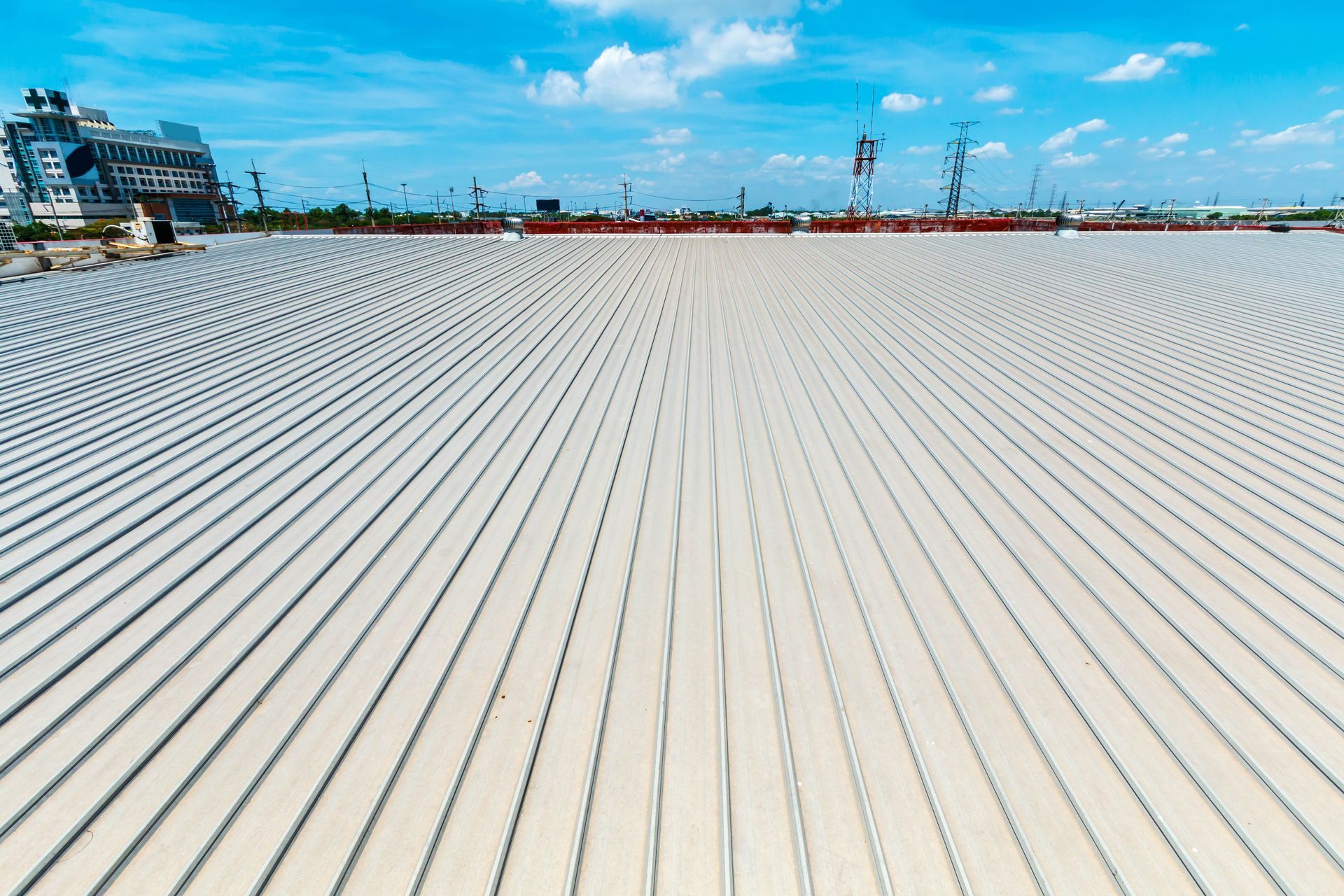
Longevity is paramount when evaluating long-term capital investments for any property. According to This Old House, metal roofing is the second-most popular material for both residential and commercial roofs due to its impressive lifespan and minimal maintenance. While high-grade metal or thick TPO membranes require a higher initial investment, their decades-long performance yields lower life-cycle costs. Evaluating material lifespans alongside weather resistance ensures your chosen roof holds up against daily environmental wear.
Optimizing Energy Efficiency and Insulation
Modern roofing assemblies emphasize continuous insulation and solar reflectance to lower facility operating costs. Contractors recommend specialized cover boards and polyisocyanurate insulation to optimize thermal performance, drastically reducing annual heating and cooling expenses. Efficient roofing assemblies also reduce your building’s carbon footprint, supporting broader corporate sustainability mandates. Partnering with a professional commercial roofer allows you to design an energy-efficient roof assembly that slashes utility bills and keeps indoor climate conditions consistent year-round.
Customizing Functional Features and Accessories
Custom additions allow facility managers to tailor their roofs to specific operational demands. Contractors recommend integrating high-performance skylights, snow guards, safety davits, or specialized exhaust vents. These custom features enhance interior natural lighting, improve worker safety during maintenance, and optimize indoor ventilation. Working alongside a skilled commercial roofer ensures all penetrations and custom accessories are flashed impeccably, eliminating potential leak vectors around new equipment curbs.
Mitigating Unexpected Construction Challenges
Roofing projects frequently encounter unexpected site challenges, including sudden severe weather, hidden structural deck rot, or material supply chain delays. Experienced contractors anticipate these operational risks, creating detailed contingency plans to keep projects moving forward smoothly. Clear daily communication keeps property owners informed of site progress and unforeseen structural findings. Proactive project management ensures your re-roofing project finishes safely, on time, and within budget.
Complying with Local Building Codes
Adhering to municipal building codes and securing required permits is essential for legally compliant construction. Contractors manage the entire permitting process, ensuring all structural assemblies meet local fire ratings, wind-uplift codes, and energy standards. Working closely with municipal inspectors guarantees that every construction phase passes rigorous safety reviews. Partnering with a licensed commercial roofer shields property owners from costly code violation fines, legal disputes, or mandatory post-installation teardowns.
Executing Systematic Inspection and Compliance Reviews
Quality assurance requires multi-stage inspection reviews throughout the tear-off and installation process. Contractors schedule formal quality checks at critical milestones, verifying deck preparation, insulation attachment, and seam-weld strength. Coordinating with third-party inspectors and field technical representatives guarantees the work meets strict warranty criteria before final sign-off. Systematic reviews catch minor installation flaws early, ensuring a high-performing finish.
Structuring Legal Contracts and Scope Documentation
Transparent contracts protect both the property owner and the installation firm by establishing clear project expectations. Contractors provide itemized proposals detailing the precise scope of work, material specifications, payment milestones, and target completion dates. Detailed documentation prevents hidden fees and simplifies conflict resolution should scope adjustments arise mid-project. Robust, clear contracts ensure complete financial transparency from initial tear-off to final warranty issuance.
Breaking Down Comprehensive Cost Estimates
Accurate cost estimates empower property managers to plan capital expenditures effectively without unexpected financial surprises. Contractors deliver itemized estimates separating tear-off labor, disposal fees, base insulation, membranes, and custom sheet metal work. Transparent pricing allows owners to compare competitive bids accurately and allocate resources wisely across essential upgrades. Clear financial breakdowns eliminate hidden fees and ensure your project stays within its approved budget.
Calculating Long-Term Returns on Investment
A high-performance roof delivers value well beyond basic shelter by boosting energy efficiency and lowering building maintenance costs. Contractors calculate long-term return on investment, demonstrating how premium reflective membranes lower HVAC equipment wear and utility spending. Investing in durable, high-R-value roofing systems increases overall property appraisal values and tenant retention rates. Strategic material choices transform a routine maintenance expense into a value-generating asset over time.
Navigating Flexible Project Financing Options
Flexible commercial financing helps property owners manage capital outlays without exhausting liquid working capital. Contractors discuss various payment structures, including equipment leasing, deferred payment options, and long-term financing plans. Tailored payment terms allow businesses to execute urgent structural upgrades immediately while preserving operating cash flow. Accessible financing options ensure you never have to settle for inferior materials due to temporary budget limits.
Capitalizing on Energy Rebates and Tax Incentives
Federal energy programs and local utility companies frequently offer financial incentives for energy-efficient roof replacements. Contractors guide property owners in selecting eligible cool-roof materials, high-density insulation, or solar-ready assemblies that qualify for tax deductions and cash rebates. Leveraging these green energy programs significantly lowers overall project costs while accelerating your financial payback period. Expert guidance ensures you claim every available tax break for your eco-friendly building upgrades.
Choosing the right roofing material, design, and installation strategy is a major decision that directly impacts your property's long-term value, energy efficiency, and structural safety. Working alongside knowledgeable professionals ensures that every phase of the project, from early structural assessments and material selection to permitting, financing, and warranty coverage, is executed to the highest industry standards. When you are ready to evaluate your building's roofing needs or begin planning your next project, reach out to the experienced team at Austad Construction.

Share On: