4 Key Questions to Ask Your Commercial Roofer
Choosing the right commercial roofer is an important decision that can affect the performance, safety, and longevity of your building. A roofing project is not just about placing materials on top of a structure. It involves planning, budgeting, code compliance, safety procedures, and long-term maintenance considerations that influence how well the system performs over time. Asking thoughtful questions before signing a contract can help property owners and managers avoid preventable problems, costly delays, and unnecessary repairs later. A reliable contractor should welcome these conversations and provide clear, direct answers that support informed decision-making.
When interviewing a commercial roofer, it helps to focus on the subjects that matter most: installation methods, maintenance support, experience, warranties, costs, safety, and communication. These areas reveal how a company operates and whether it is prepared to handle the specific needs of your property. A roof protects inventory, equipment, employees, tenants, and daily operations, so the contractor you hire should bring both technical knowledge and professional accountability. Taking the time to ask the right questions at the beginning can lead to a smoother project and greater confidence in the result.
1. Understanding The Roof Installation Process
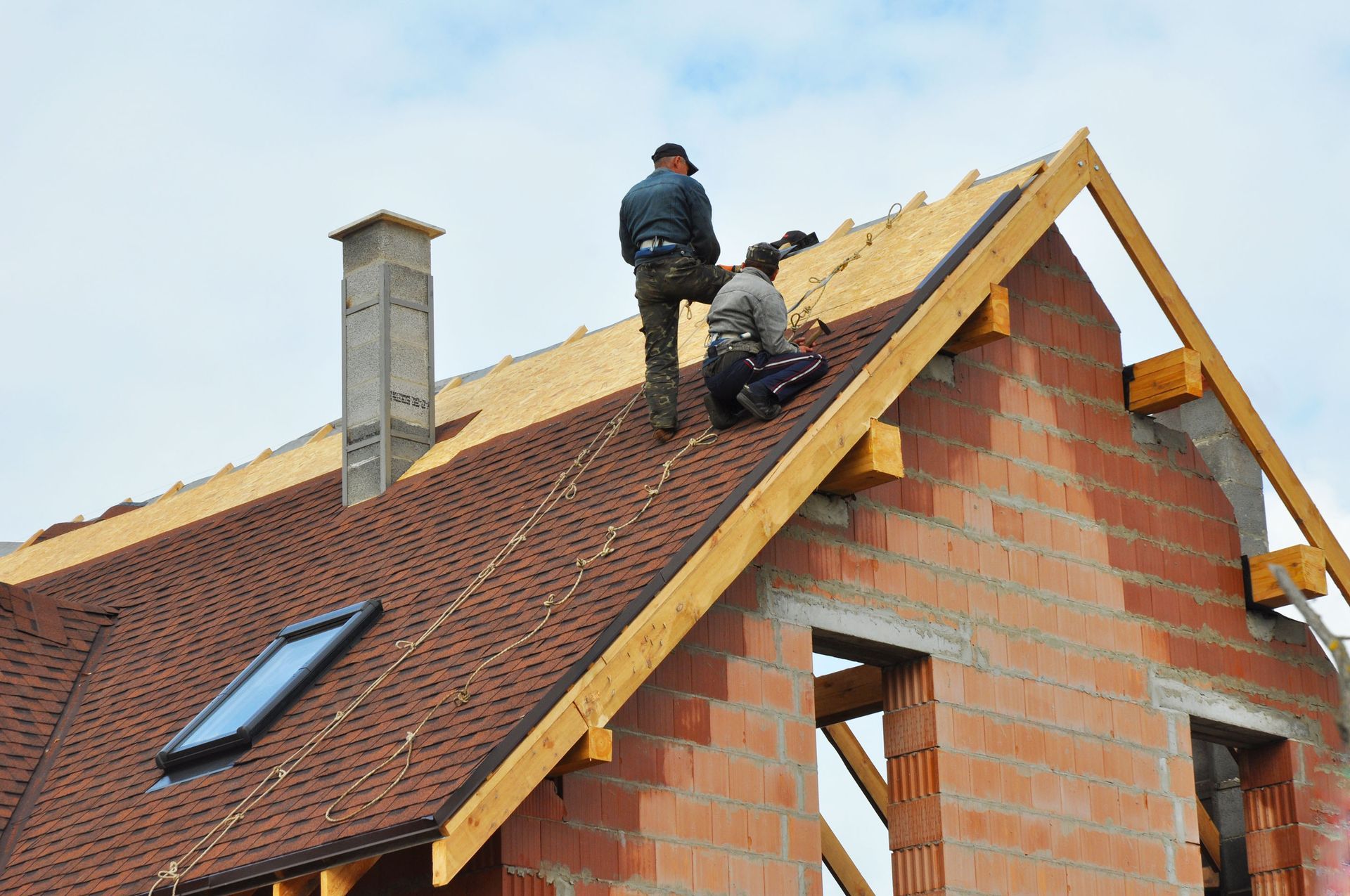
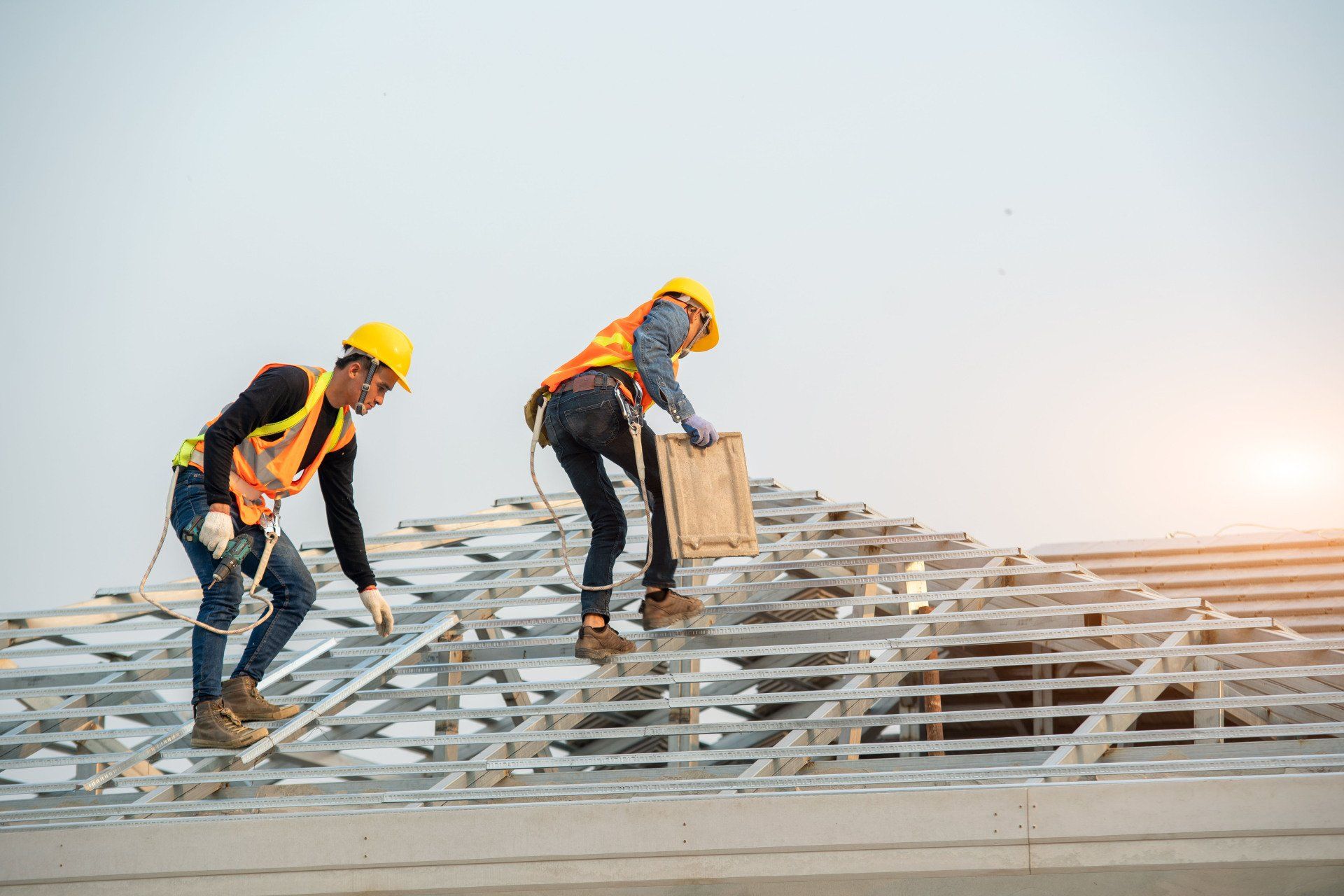
One of the first topics to discuss is how the installation process will unfold from start to finish. A qualified commercial roofer should be able to explain the initial inspection, moisture detection, tear-off or overlay options, deck preparation, insulation placement, membrane installation, flashing details, and final inspection procedures. This breakdown helps you understand what is happening at each stage and why every step matters. It also allows you to compare contractors based on thoroughness rather than price alone. A clear explanation at the beginning often reflects better project organization throughout the job.
You should also ask how the contractor handles quality control during installation. Quality checks may include verifying attachment methods, monitoring seam integrity, inspecting drainage flow, and reviewing critical edge details before the project advances. According to Forbes, more than five million new roofs are installed each year, which makes careful planning and workmanship especially important in a busy market. Post-installation walkthroughs, photo documentation, and punch-list corrections can further demonstrate a commitment to doing the work correctly. These extra steps reduce the chance of missed issues that could shorten the roof’s service life.
Material selection is another valuable part of the conversation. Roofing systems such as TPO, EPDM, PVC, modified bitumen, and metal all come with different performance characteristics, installation requirements, and maintenance expectations. A contractor should explain why a specific material is appropriate for your climate, building design, slope, energy goals, and traffic exposure. Asking how long installation will take, whether operations will be disrupted, and what noise or access limitations to expect can help you prepare your staff and tenants. The more detailed the answers are, the easier it becomes to plan around the project responsibly.
2. Reviewing Maintenance And Long-Term Service
Roof maintenance is just as important as installation because even a high-quality system benefits from regular inspections and minor corrective work. A commercial roofer should be able to describe available maintenance plans, what those plans include, and how often service visits are recommended. Typical programs may cover debris removal, drain cleaning, seam checks, flashing reviews, minor repairs, and documentation after each visit. Preventive care can help identify early signs of wear before they turn into leaks or interior damage. It can also support warranty compliance and improve the overall value of the roofing investment.
Ask how the contractor tracks roof condition over time and whether reports are provided after each inspection. Detailed records help building owners understand recurring trouble spots, aging patterns, and maintenance priorities. Some companies use drone imagery, infrared scans, or digital reporting platforms to provide more complete assessments, especially for large properties. These tools can reveal trapped moisture or membrane concerns that are not visible during a standard visual walk. When a company embraces these methods, it often shows a stronger commitment to accuracy and long-term planning.
Emergency response is another important issue to raise during the hiring process. Storm damage, punctures, drain blockages, and flashing failures can happen unexpectedly, and quick service can limit additional loss. Ask whether the company offers emergency repairs, how response times are handled, and whether temporary protection measures are available while permanent repairs are scheduled. It is helpful to know in advance who to call and what level of support to expect if a problem arises outside normal business hours. Preparedness in this area can make a major difference when urgent conditions affect the property.
3. Evaluating Experience And Reputation
Experience often plays a major role in how effectively a contractor handles commercial roofing challenges. A seasoned commercial roofer is more likely to have worked on a variety of building types, drainage designs, material systems, and repair conditions. Asking how long the company has been in business, what types of buildings it serves, and which projects are most similar to yours can provide useful perspective. Experience does not guarantee perfection, but it usually increases familiarity with common pitfalls and practical solutions. A contractor with a broad project background may be better equipped to anticipate complications before they become expensive setbacks.
References and reviews can provide another layer of insight. Former clients can often speak to punctuality, communication, cleanliness, billing accuracy, and how the company handled unexpected changes. Ask for project examples and follow up on whether the contractor finished on time, honored the contract, and responded well after completion. Online reviews can also reveal patterns, although they should be read carefully and considered alongside direct references. Consistency across multiple sources tends to be more meaningful than one especially positive or negative comment.
Certifications, manufacturer approvals, and trade memberships can further strengthen a contractor’s credibility. These affiliations may indicate that installers have completed training on specific roofing systems and follow accepted industry practices. It is worthwhile to verify whether the company holds current licenses where required and whether its team receives continuing education. A contractor that invests in training is often better positioned to deliver accurate installations and informed recommendations. Professional development also suggests that the company is paying attention to changes in products, codes, and application methods.
4. Clarifying Warranty And Insurance Details
Warranties are an essential part of any roofing conversation because they define what protection is available after the work is complete. A commercial roofer should explain the difference between a workmanship warranty and a manufacturer material warranty, including what each one covers and how long each lasts. Some warranties address labor-related installation defects, while others focus on material performance under specific conditions. It is also smart to ask whether the warranty is prorated, transferable, or tied to required maintenance. Clear written terms help prevent confusion if a problem develops later.
You should also ask what actions could void the warranty. Poor maintenance, unauthorized modifications, rooftop equipment changes, and unapproved repair work may all create issues depending on the warranty terms. Understanding these restrictions helps you manage the roof responsibly after installation. A trustworthy contractor should be willing to walk you through the fine print and highlight any owner responsibilities. This discussion is especially useful for facilities that expect multiple vendors to access the roof over time.
A roofing project is a major investment, and the right commercial roofer should make that investment feel more secure through transparency, professionalism, and proven expertise. By asking the right questions before work begins, you can reduce risk, set better expectations, and build a stronger working relationship from the start. That preparation helps support a smoother project, fewer surprises, and better long-term results for your building. Contact Austad Construction Inc today and learn more about our roofing and construction services.

Share On: