3 Challenges Unique to Commercial Roofing Projects
Commercial roofing projects present a unique set of challenges that differentiate them from residential roofing jobs. These challenges can impact the overall cost, timeline, and outcome of a project. This blog will explore three distinct challenges faced by a commercial roofing company, providing insights and actionable solutions for each.
1. Scope and Scale of Projects
Differing Building Requirements
Commercial buildings vary greatly in their architectural designs and structural requirements, influencing roofing projects. Unlike residential projects with typically simpler designs, commercial roofs must accommodate larger spaces and heavier loads. Each building can demand unique solutions to meet specific functional and aesthetic needs. These requirements are often dictated by the building's purpose, whether industrial, retail, or mixed-use. Achieving compliance with differing design specifications is essential for avoiding structural issues and ensuring durability.
Complexity of Roof Systems
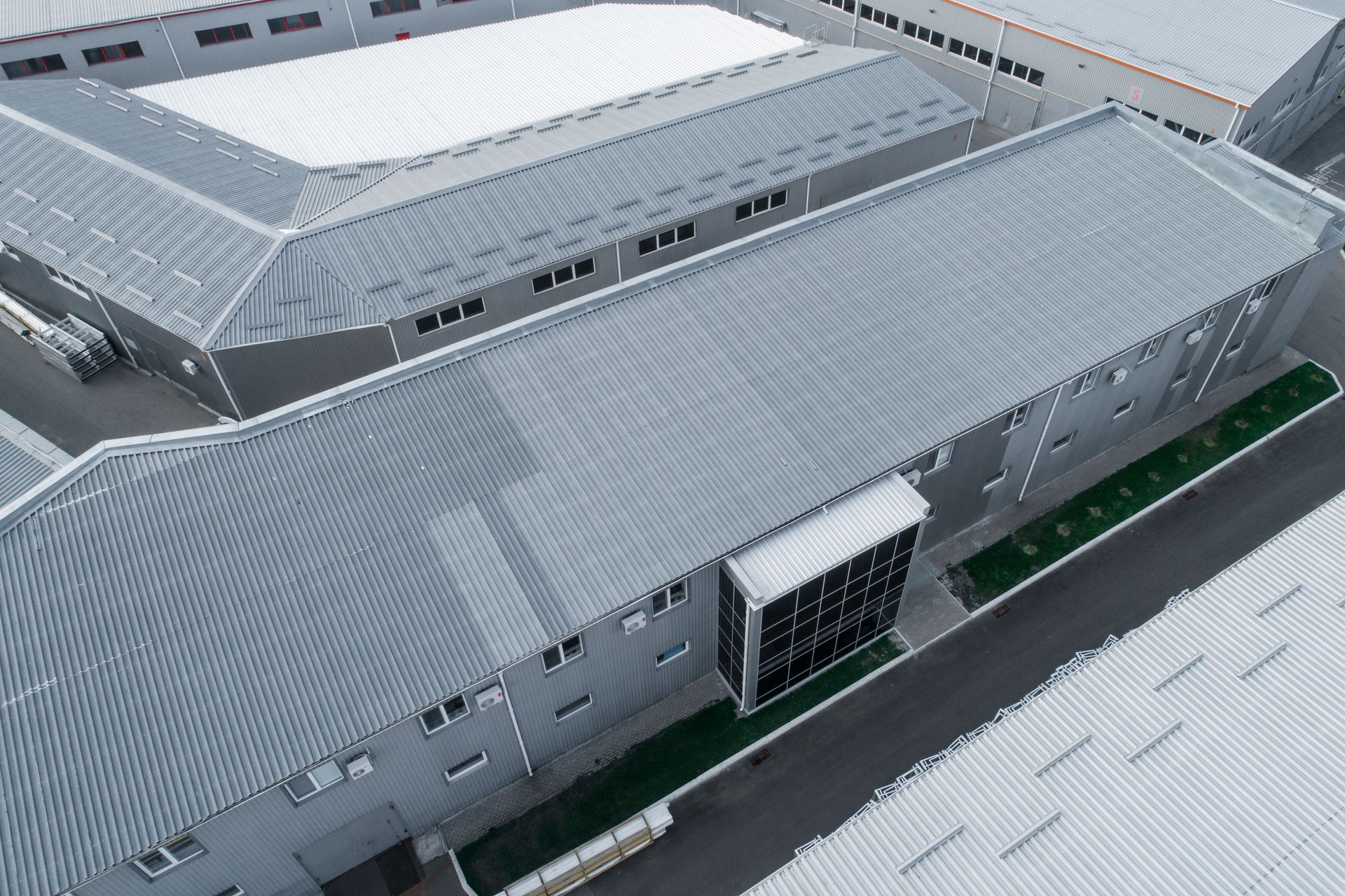
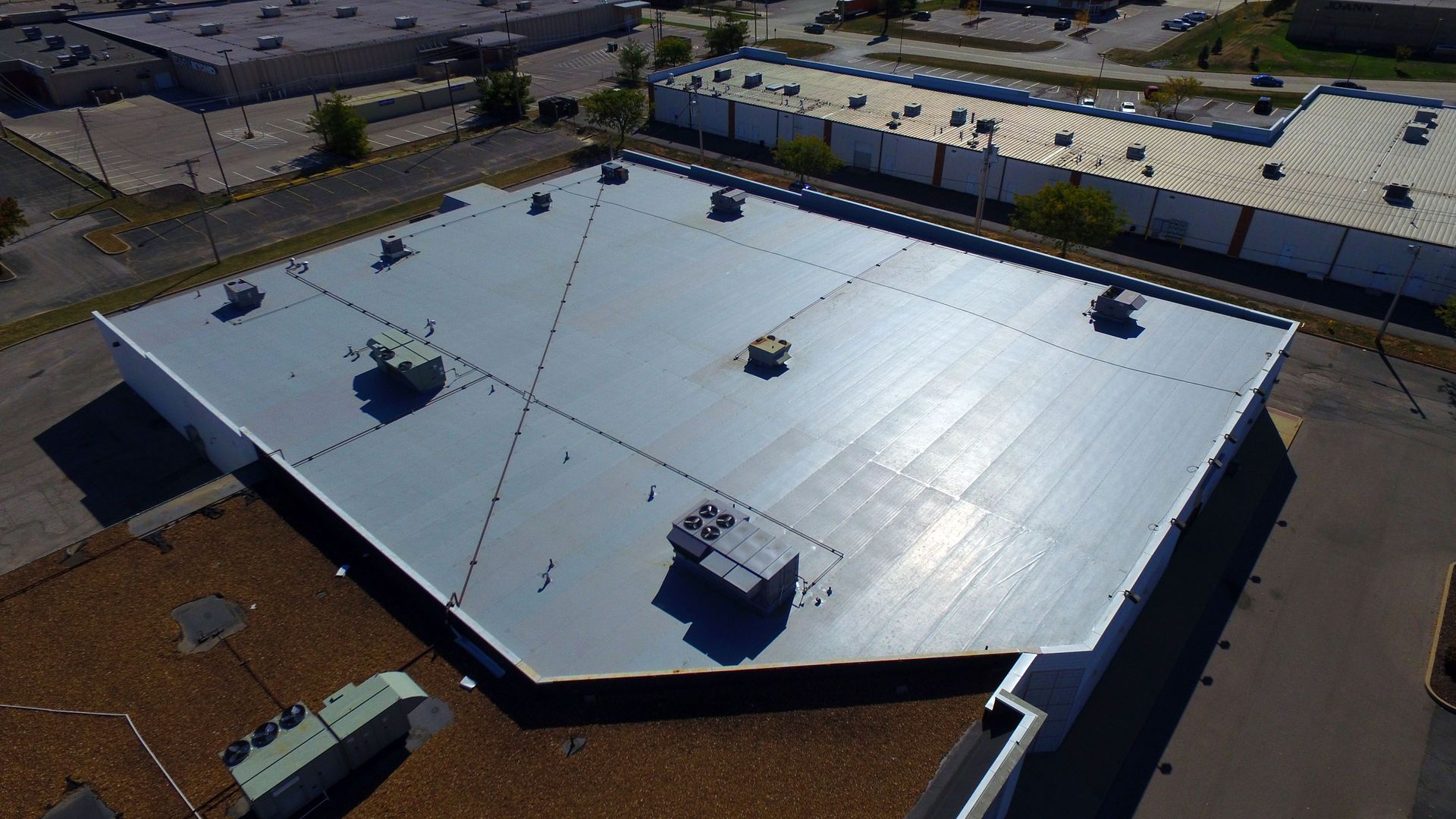
The intricacies of commercial roof systems are significantly more advanced than those of residential properties. Projects often involve flat roof designs, which are prevalent in urban areas across the U.S., making up about 85% of commercial buildings, according to ZipDo. Flat roofs, compared to pitched roofs, require specialized materials and techniques from a commercial roofing company to ensure effective water drainage and weatherproofing. Additionally, commercial roofs must often accommodate HVAC systems and other equipment, further adding to system complexity. This requires precise planning and execution to integrate functionality without compromising integrity.
Need for Specialized Equipment
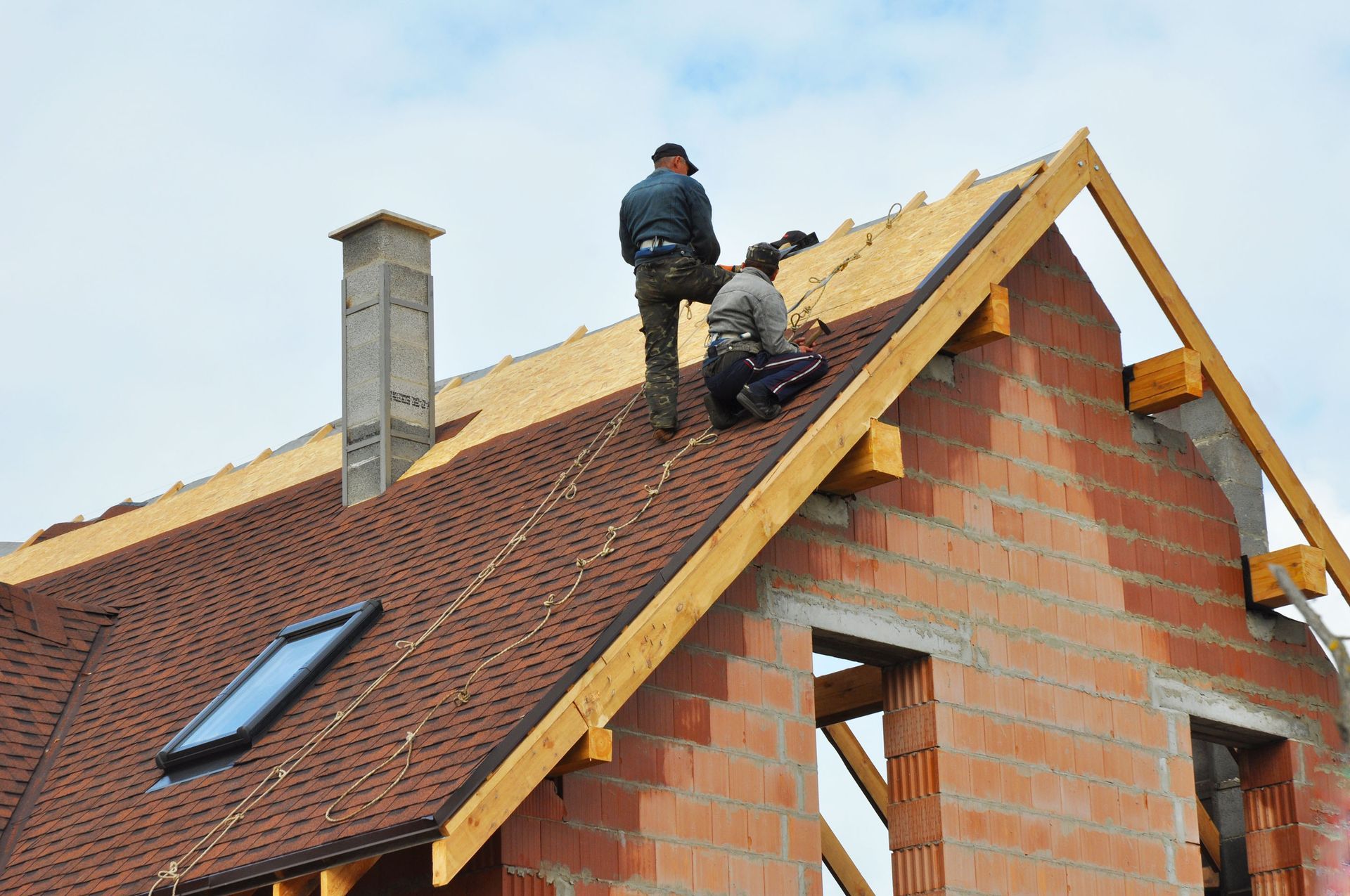
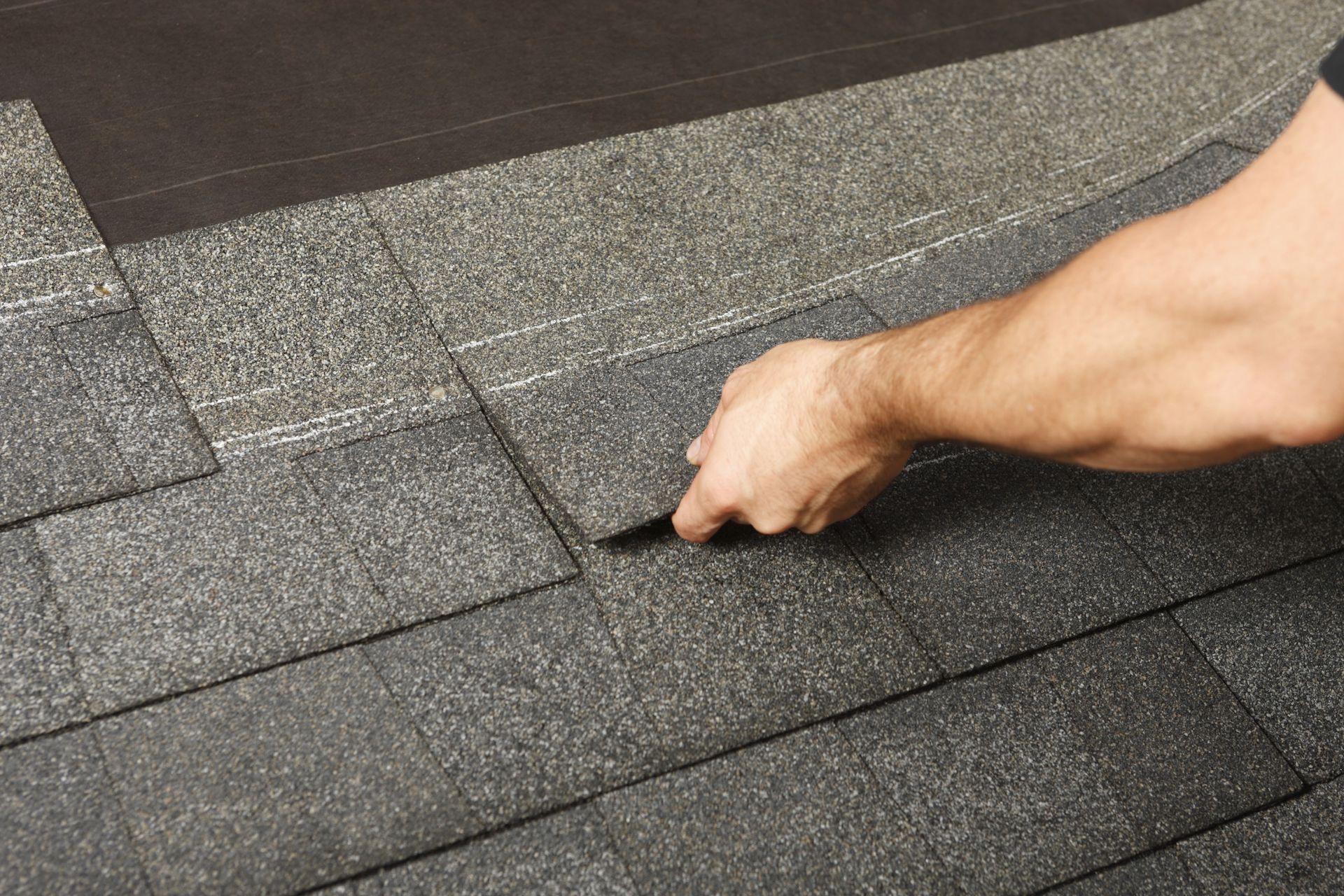
The scale of commercial roofing projects demands the use of specialized machinery and equipment. Large surfaces and more significant height requirements necessitate the use of cranes, aerial lifts, and industrial-scale scaffolding. Handling more complex materials, such as asphalt shingles, requires specific machinery for effective installation. This equipment not only speeds up the installation process but also ensures safety and precision. Ensuring the availability and operation of this equipment is crucial for project timelines and quality.
Project Management Challenges
Effective project management is vital in commercial roofing due to the scale and complexity involved. Larger projects require enhanced coordination across multiple teams and disciplines. Communication must be streamlined to manage operations, as delays or miscommunications can escalate project costs and impact timelines. Stakeholders must be kept informed of progress, requiring sophisticated project management tools to facilitate seamless information flow. Strategic planning and management practices help mitigate risks and ensure smooth execution.
Cost Implications
The financial complexity of commercial roofing projects is considerable, influenced by various factors such as scale, materials, and labor requirements. Detailed initial budgeting with a commercial roofing company is essential to align financial resources with project needs, accounting for potential unforeseen costs. The cost of specialized equipment, advanced materials, and skilled labor must be considered. Financial planning must be flexible to adapt to changes and keep the project on track. Expertise in cost management can prevent budget overruns and ensure cost-effective project delivery.
2. Compliance with Regulations
Understanding Building Codes
Compliance with building codes is a non-negotiable aspect of commercial roofing projects to ensure safety and legality. Building codes vary at the local, state, and national levels, mandating specific procedures, materials, and structural requirements. Understanding these codes is crucial for planning and executing a compliant project. Codes are set to safeguard structural integrity, occupant safety, and environmental standards. Failing to adhere to them can lead to costly fines, legal action, and potentially dangerous outcomes, which is why working with a professional commercial roofing company is encouraged.
Safety Standards and Protocols
Implementing rigorous safety standards is critical in commercial roofing projects to protect workers and the surrounding environment. Worksite safety protocols must be enforced to reduce the risk of accidents and injuries, which can have severe consequences for personnel and project timelines. Proper safety training, equipment usage, and emergency preparedness plans are integral components of a robust safety strategy. Organizations must stay abreast of evolving safety regulations and incorporate best practices within their operations. Ensuring safety compliance contributes to a project's overall success and sustainability.
Environmental Impact Considerations
Commercial roofing practices increasingly emphasize the importance of environmental sustainability. Rising environmental awareness has prompted regulations for the incorporation of eco-friendly materials and construction practices with a commercial roofing company. This includes using energy-efficient materials and reflective coatings to reduce heat absorption on roofs. Additionally, proper waste management and recycling practices help minimize environmental pollution. Integrating environmental considerations during project planning aligns with regulatory requirements and enhances the project's reputation as a sustainable development.
Legal Liability Concerns
The potential for legal liabilities in commercial roofing can present significant challenges throughout project execution. Ensuring compliance with regulations mitigates some risks, but unforeseen legal issues can still emerge. Contractual clarity and meticulous documentation help manage and mitigate potential disputes. Moreover, maintaining high standards in construction quality and safety protocols reduces the likelihood of litigation. Legal preparedness and counsel are critical in navigating and resolving issues promptly and efficiently.
Documentation and Permits
Acquiring the necessary permits and documentation is vital for legally executing commercial roofing projects. This process involves meticulous attention to detail to ensure all regulatory requirements are met. Documentation provides a legal framework that permits all project activities and ensures accountability. Timely and accurate submissions of required documents avoid delays and legal complications. Comprehensive documentation helps streamline approval processes and facilitates smooth project progression.
3. Weather and Environmental Challenges
Regional Weather Patterns
Weather conditions play a pivotal role in the planning and execution of commercial roofing projects. Different regions are subject to specific weather patterns that can affect scheduling and methods. Delays due to adverse weather such as rainstorms, high winds, and snow can disrupt timelines significantly. Effective weather forecasting and adaptation strategies, such as flexible schedules and contingency plans, help mitigate these risks. Successful projects incorporate regional weather considerations into their planning stages to minimize schedule interference.
Material Durability
Material selection for commercial roofs is guided by the need for durability against environmental elements. The choice of materials impacts the roof's ability to withstand harsh weather conditions, with particular attention to local climate extremes. Innovative materials and technologies are continuously being developed to enhance durability and functionality. Asphalt shingles, widely used in about 75% of commercial roofs, must be selected for their quality and resistance to regional weather challenges. Durable materials contribute to extended roof lifespans and reduce the frequency of repairs or replacements.
Onsite Water and Drainage Management
Effective water and drainage management are critical components of maintaining commercial roof integrity. Poor management can lead to water accumulation, leaks, and structural damage, underscoring the importance of robust drainage systems. Efficient designs and technology must be employed to manage water flow, especially on flat roofs. Implementing appropriate gutters, downspouts, and drainage systems preserves the roof structure and prevents water damage. Regular maintenance of these systems is necessary to ensure ongoing functionality and protection.
Temperature Extremes
Commercial roofs must endure temperature fluctuations that can challenge material integrity and structural stability. Both high and low temperatures can affect material expansion and contraction, leading to wear and eventual failure. Integrating materials with proven resilience to temperature extremes helps mitigate these effects. Reflective coatings and insulation can effectively manage heat absorption and loss, prolonging roof life. Understanding and planning for these temperature challenges ensures the roof sustains minimal damage and maintains peak performance.
Commercial roofing projects are complex endeavors that require careful consideration of various unique challenges. From managing large-scale projects and ensuring regulatory compliance to confronting environmental factors and staying abreast of technological advancements, successful project execution demands strategic planning and expert oversight. Contact Austad Construction Inc today for a commercial roofing company.

Share On: